
For Healthcare Professionals:
The persistent postural-perceptual dizziness (PPPD) is one of the most common causes of chronic dizziness. A new meta-analysis by Piatti et al. (2025) now provides robust data on the effectiveness of vestibular physiotherapy (VPT). The results show that targeted training works – but there are important details to consider.
🔗 Piatti D, De Angelis S, Paolocci G, et al. The Role of Vestibular Physical Therapy in Managing Persistent Postural-Perceptual Dizziness: A Systematic Review and Meta-Analysis. J Clin Med. 2025;14(15):5524. Published 2025 Aug 5. doi:10.3390/jcm14155524.
Scientific evidence
The meta-analysis evaluated six studies that focused on reducing dizziness-related impairment (measured using the Dizziness Handicap Inventory, DHI).
- Significant improvement: The statistical analysis showed a significant reduction in DHI scores (Hedges’ g = 1.60). This corresponds to a moderate to large clinical improvement in quality of life.
- Objective progress: In addition to subjective perception, objective parameters also improved, such as postural control (e.g. in the mini-BESTest) and posturographic values.
- Psychosomatic effects: The therapy had a positive impact on accompanying anxiety and depressive symptoms, underscoring the close connection between vestibular and psychological processes in PPPD.
The challenge: heterogeneity
Despite the overall positive effects, scientific uncertainty remains high (heterogeneity I2= 92%). This is mainly due to the fact that the training protocols studied were very different – ranging from classic gaze stabilization training to computer-assisted VR systems.
Conclusion for Practice
PPPD is not a classic inner ear disorder, but a misprocessing of sensory input (maladaptation). The brain relies too heavily on visual stimuli and interprets normal body movements as threatening.
Modern strategies in VPT:
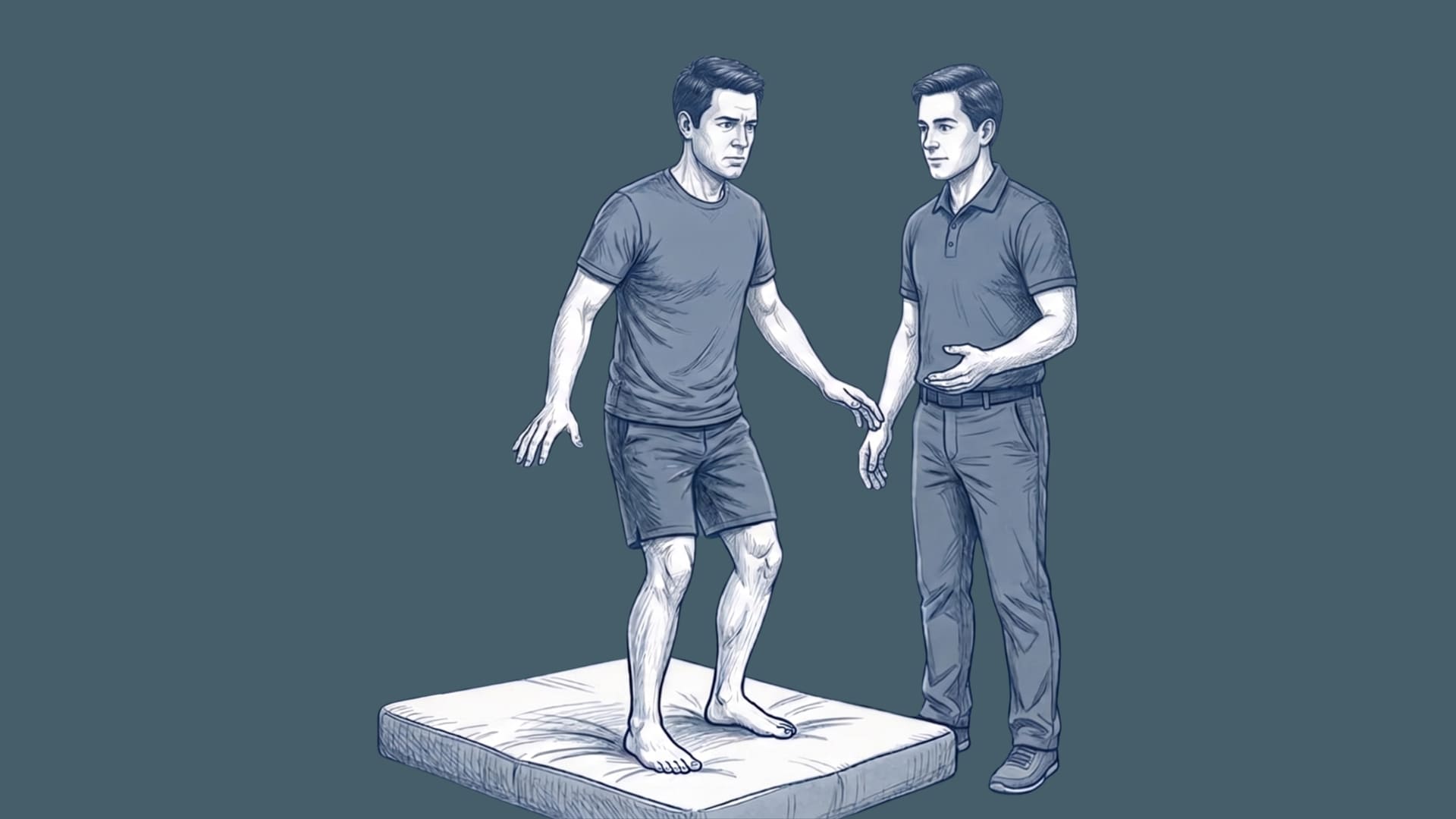
- Habituation: Gradual desensitization to visual stimuli (e.g. visiting a supermarket, moving backgrounds).
- Specific balance training: Reduction of maladaptive protective postures and control of body sway.
Combination: The best results were often achieved when VPT was supplemented with cognitive behavioral therapy (CBT) or specialist-prescribed medication (SSRIs).
👉 Are you interested in a comprehensive further training in vestibular rehabilitation and want learn how to safely guide PPPD patients out of the dizziness cycle using habituation techniques?
Current further education opportunities can be found in the IVRT Course search.
For Patients – Easy to Understand
Chronic dizziness (PPPD): how physiotherapy helps reprogram the brain
When dizziness becomes chronic, it is often not caused by a damaged ear, but because the brain has “unlearned” how to process stimuli correctly. People constantly feel unsteady, as if on a ship, and react sensitively to moving images. A new meta-analysis has now scientifically confirmed that specialized physiotherapy is a crucial key to improvement here.
📄 Piatti D, De Angelis S, Paolocci G, et al. The Role of Vestibular Physical Therapy in Managing Persistent Postural-Perceptual Dizziness: A Systematic Review and Meta-Analysis. J Clin Med. 2025;14(15):5524. Published 2025 Aug 5. doi:10.3390/jcm14155524
The most important findings from the study:
- Noticeable relief: Most participants experienced a clear reduction in their dizziness symptoms in everyday life after the training.
- Greater confidence: Not only did the feeling improve, but actual steadiness in balance tests also measurably improved.
- Holistic effect: Since dizziness is often associated with anxiety, the training also reduced psychological distress in many participants.
What you can do
If you suffer from PPPD, waiting is usually not a solution. Your brain needs active stimuli to correct the “faulty wiring.”
What should you keep in mind during therapy?
- No standard program: PPPD requires exercises that gradually and specifically help you get used to movement and visual stimuli (habituation).
- Patience and guidance: Since the exercises can temporarily provoke dizziness, professional supervision is important so that you do not fall into avoidance behaviors.
- Combination: A mix of exercises, education, and psychological support is often the most effective approach.
🎯 Our IVRT®-certified dizziness and vestibular therapists support you: We know how to gently and safely help your brain get used to normal movements again. Find specialized colleagues in our IVRT therapist search