
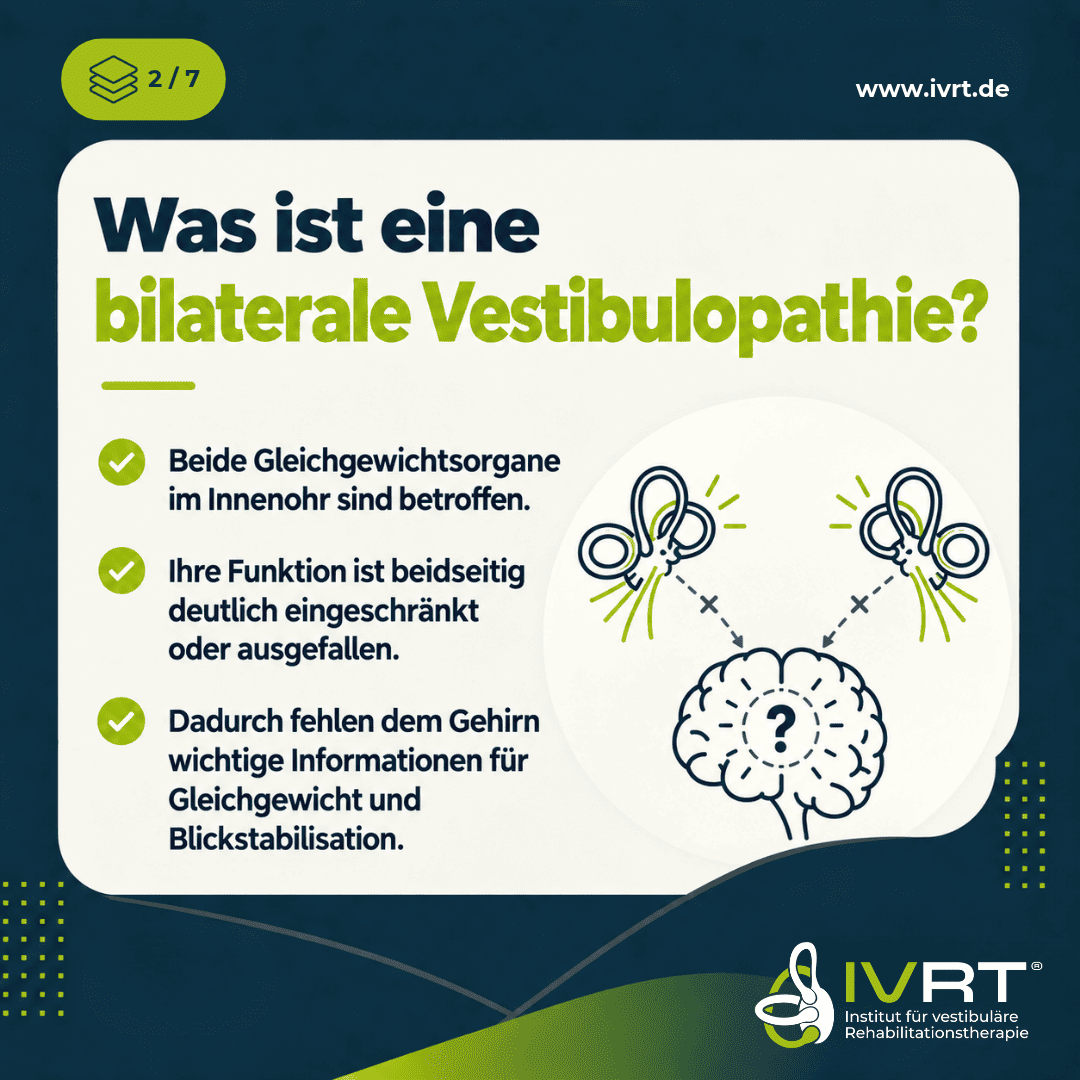

Sitting down is completely quiet and inconspicuous, but as soon as you stand up, you lose the secure hold? bilateral vestibular pathology Both balance organs in the inner ear are impaired in their function. As a result, the brain lacks crucial signals for orientation in space.
The most important facts and criteria at a glance:
• What does bilateral mean? Bilateral means on both sides. Both equilibrium organs partially or completely fail, causing severe disruption in the ability to see and maintain balance.
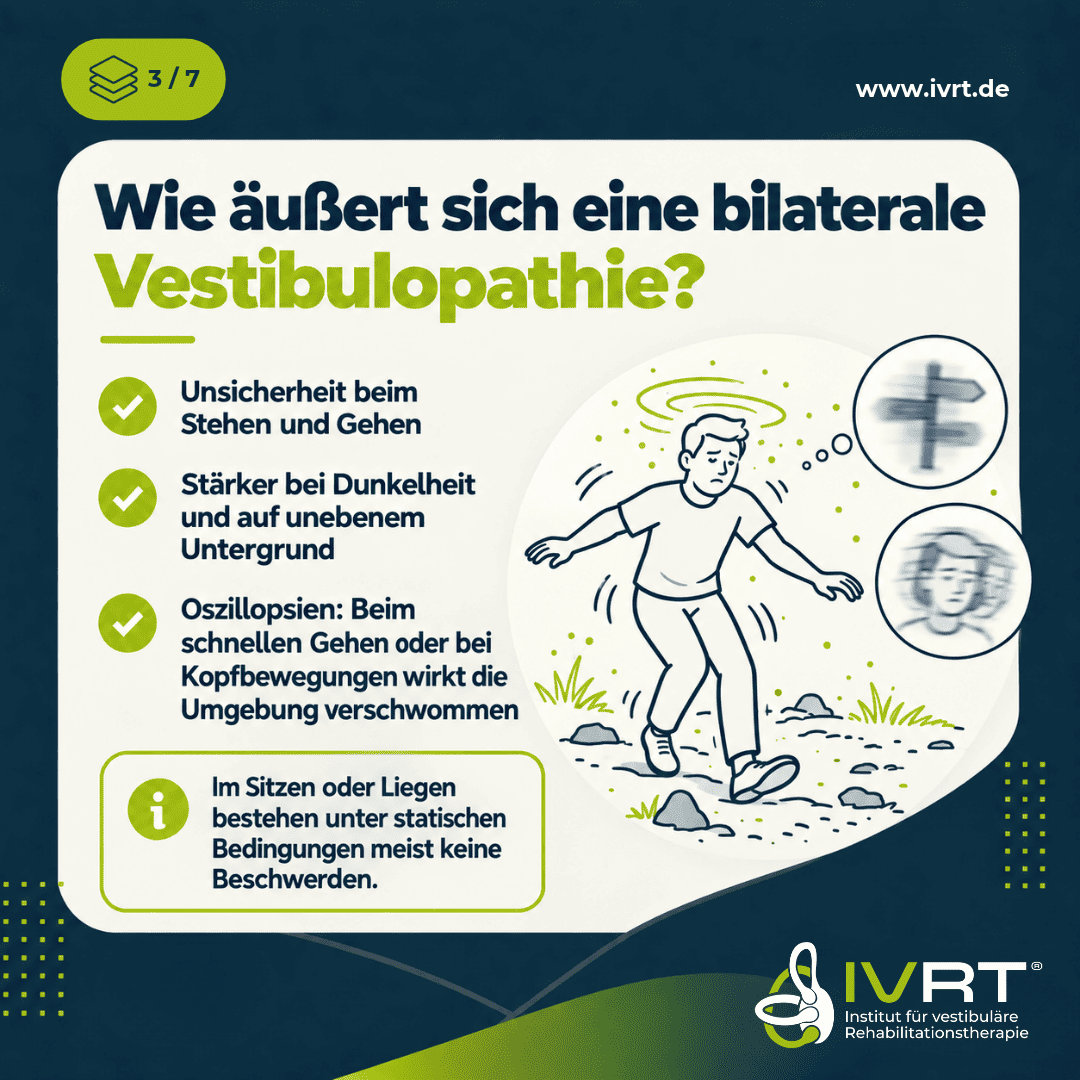
• Typical: No complaints when sitting: This is the most important criterion for differentiation. When you sit or lie down, you usually don't feel dizzy, because the balance system is hardly strained when you are at rest.
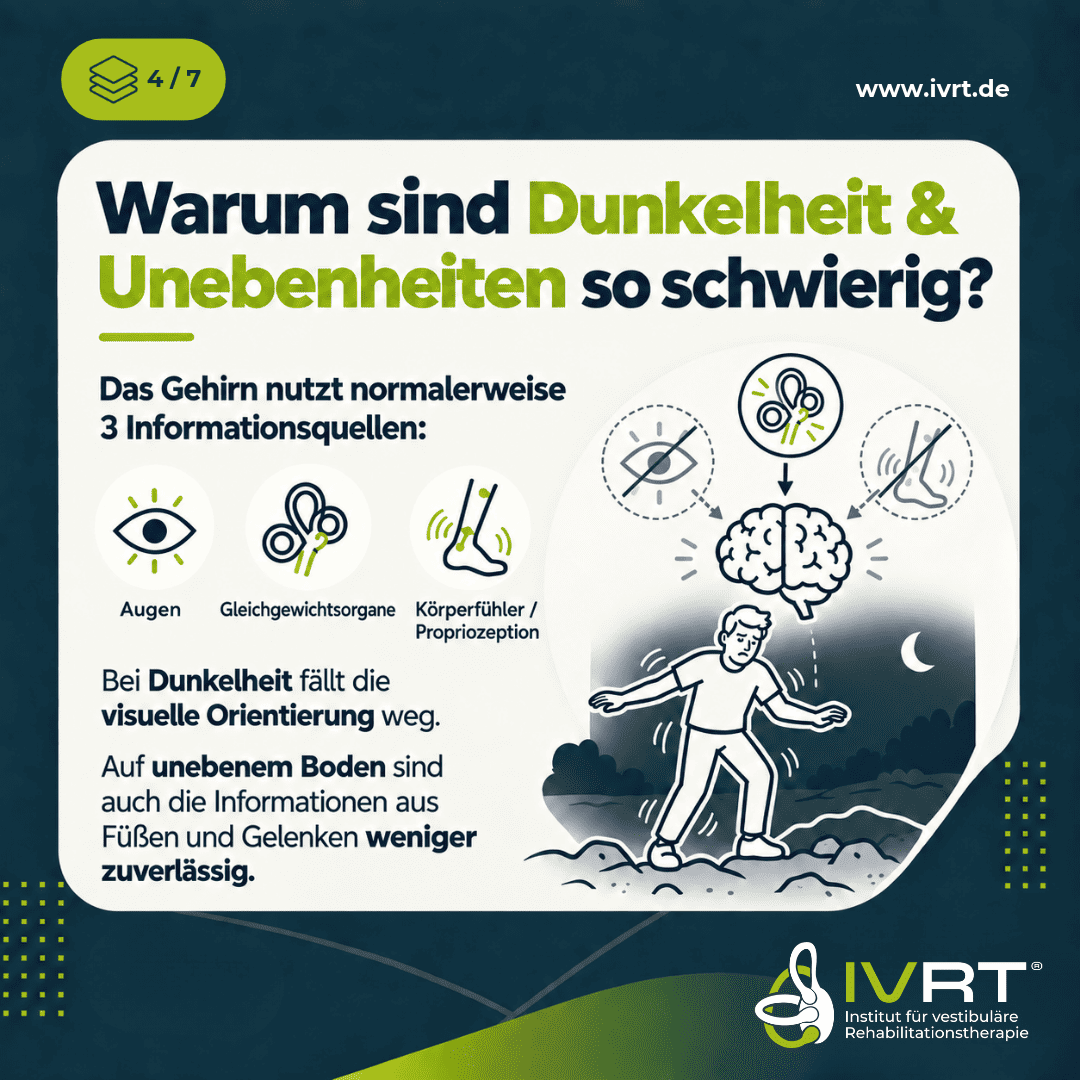
• In darkness and unevenness: The brain attempts to compensate for the loss by using the eyes and joints. If there is no light in the dark or the ground gives way, this compensation breaks down.
• Flickering images due to oscillopsia: With rapid head movements or brisk walking, the field of view becomes blurred. The gaze cannot be fixed; road signs or faces are barely discernible in motion.
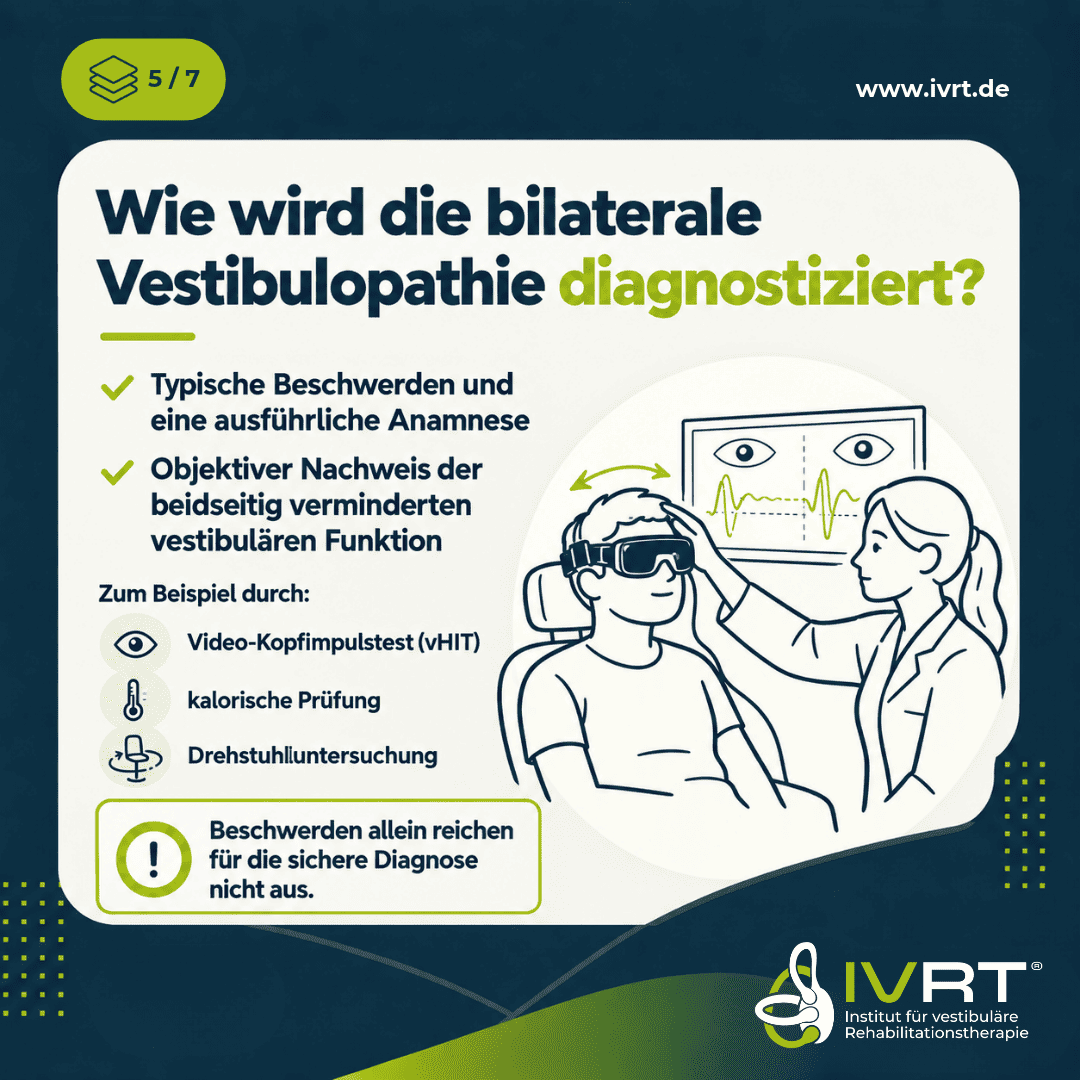
• Diagnostics using medical technology: The criteria of the Bárány Society require the use of an instrument to confirm the diagnosis, e.g. the video head impulse test in an ENT practice.
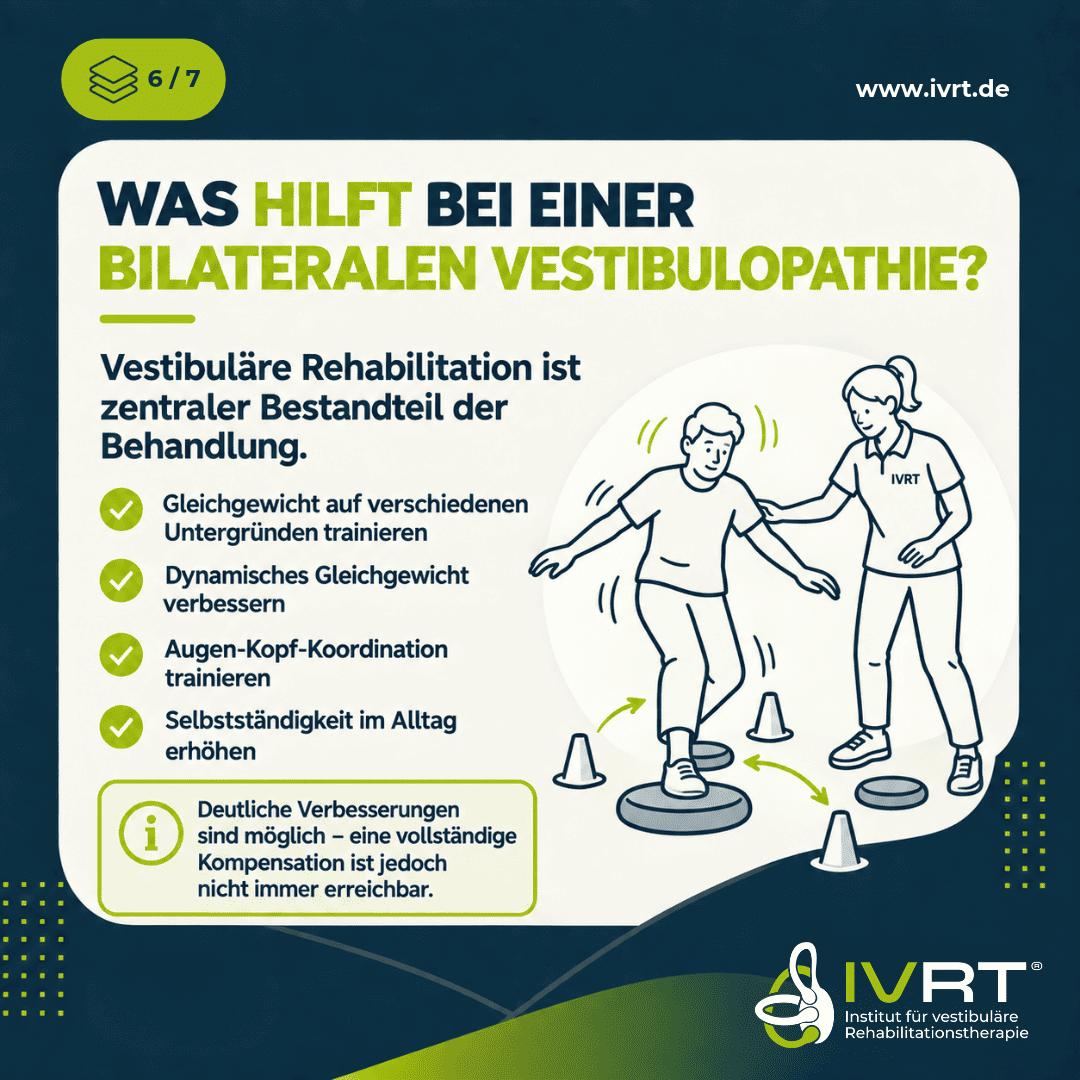
• Rehabilitation and everyday life: Although the loss of both organs can rarely be % reversed to 100%, through targeted vestibular rehabilitation self-reliance in everyday life can be increased.
👉 Would you like to understand bilateral vestibular pathology in detail? Then take a look at our Patient information or ours Main video Go on YouTube!
📍Are you looking for qualified therapists near you who specialize in dizziness? Use our Therapist search!
 Deutsch
 English
 Nederlands
 Dansk
 Türkçe

