
Course contents
Theory
- Relevant anatomy and physiology
- Pathology: Acoustic neuroma, vestibular neuritis, ototoxicity, Meniere's disease, presbyvestibulopathy and benign paroxysmal positional vertigo
- To know, understand, and interpret medical-technical examinations
Practice
- Examination of the vestibular organ: Diagnostic tests or test battery with high reliability to detect a vestibular hypofunction/disorder
- Exercises as part of vestibular rehabilitation therapy: evidence-based and effective therapy for vestibular dizziness
- Diagnosis and treatment of benign paroxysmal positional vertigo: Reliable positional testing and evidence-based relief maneuvers
- Assessments: Dizziness Handicap Inventory, Activities-Specific Balance Confidence Scale and Functional Gait Assessment
- Critical evaluation of the evidence on cervicogenic vertigo and treatment recommendations
Theory
- Pathology of non-vestibular causes: Side effects of medication, cardiovascular causes and metabolic/internal causes
- Pathology: Vestibular migraine, post-traumatic dizziness and persistent postural-perceptual dizziness (PPPD)
Practice
- Therapeutic assessment and treatment of non-vestibular diseases
- Further tests/assessments for visual dizziness, among other things
- Vestibular rehabilitation for vestibular migraine and persistent postural-perceptual dizziness (PPPD)
- Joint assessment and treatment of a "demo patient"
Handicap Inventory, Activities-Specific Balance Confidence Scale and Functional Gait Assessment
- Critical evaluation of the evidence on cervicogenic vertigo and treatment recommendations
Theory
- Review of unresolved questions, atypical case studies, and both positive and negative experiences gained since finishing the course.
- Discussion and update of the new content in the script, as the script is continuously evaluated and pedagogically adapted. Accordingly, participants receive the updated course materials on pathology, assessment, and treatment.
Practice
- Training with the condensed test battery for vestibular vertigo
- Supervision of all positional tests and maneuvers, supplemented with current new findings
- Deepening the diagnostics and treatment of both vestibular migraine and functional dizziness, which have each been expanded by 1 to 2 teaching units over the last 3 years. The new, more detailed content is reviewed using case studies.
Module 2
- Certified
Theory
- Pathology of non-vestibular causes: Side effects of medication, cardiovascular causes and metabolic/internal causes
- Pathology: Vestibular migraine, post-traumatic dizziness and persistent postural-perceptual dizziness (PPPD)
Practice
- Therapeutic assessment and treatment of non-vestibular diseases
- Further tests/assessments for visual dizziness, among other things
- Vestibular rehabilitation for vestibular migraine and persistent postural-perceptual dizziness (PPPD)
- Joint assessment and treatment of a "demo patient"
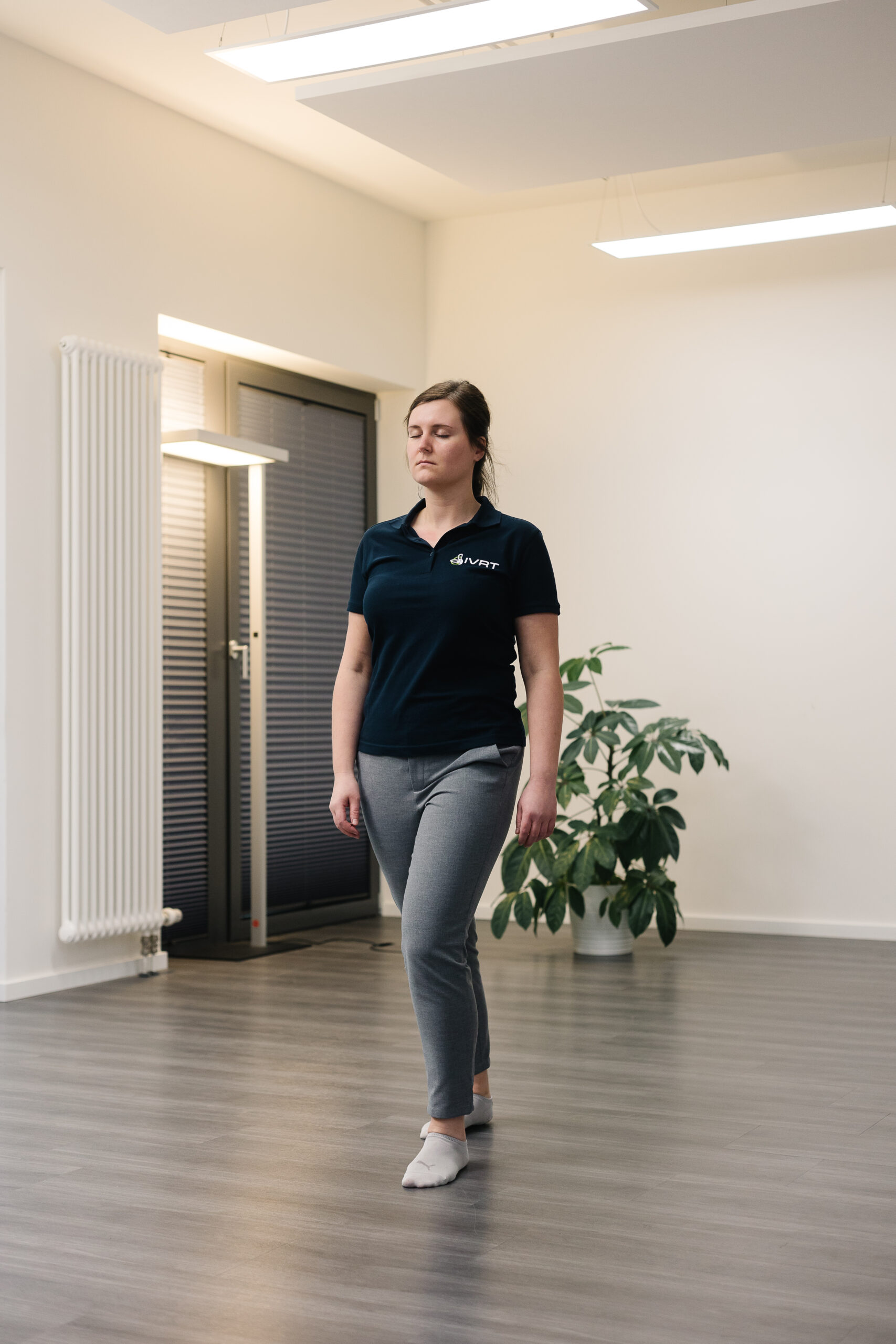
Refresher
- Certified
Theory
- Review of unresolved questions, atypical case studies, and both positive and negative experiences gained since finishing the course.
- Discussion and update of the new content in the script, as the script is continuously evaluated and pedagogically adapted. Accordingly, participants receive the updated course materials on pathology, assessment, and treatment.
Practice
- Training with the condensed test battery for vestibular vertigo
- Supervision of all positional tests and maneuvers, supplemented with current new findings
- Advanced instruction on diagnosing and treating vestibular migraine and functional dizziness, with 1–2 additional teaching units added for each over the last three years. The new, comprehensive content is revisited through illustrative cases.
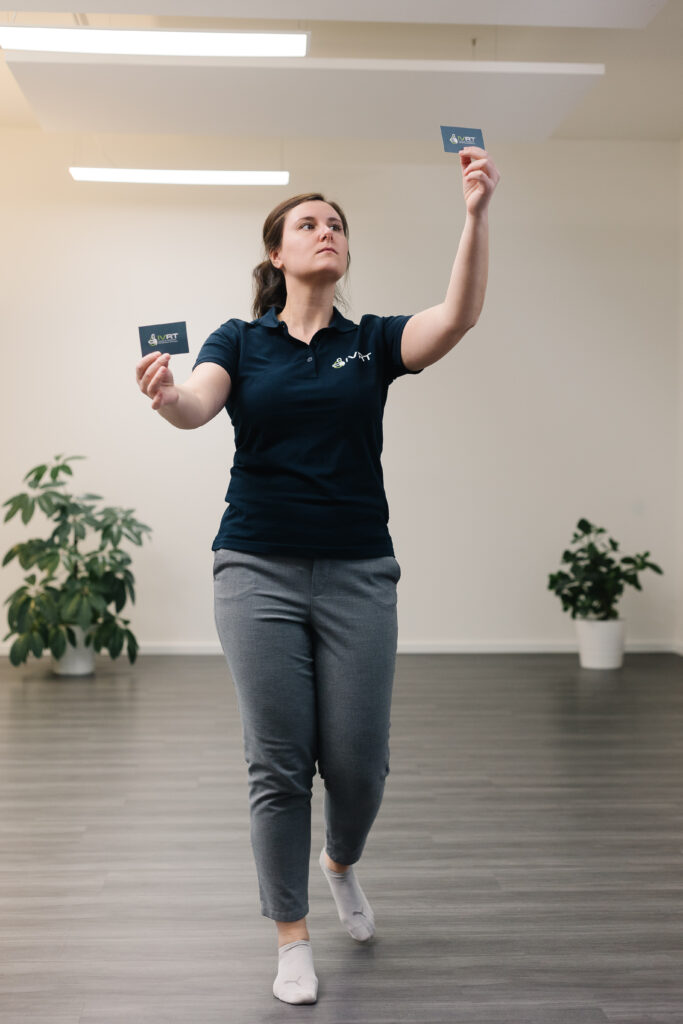
You can find a detailed course description here.
 Deutsch
  English
  Nederlands
  Dansk
Dansk  Türkçe
