

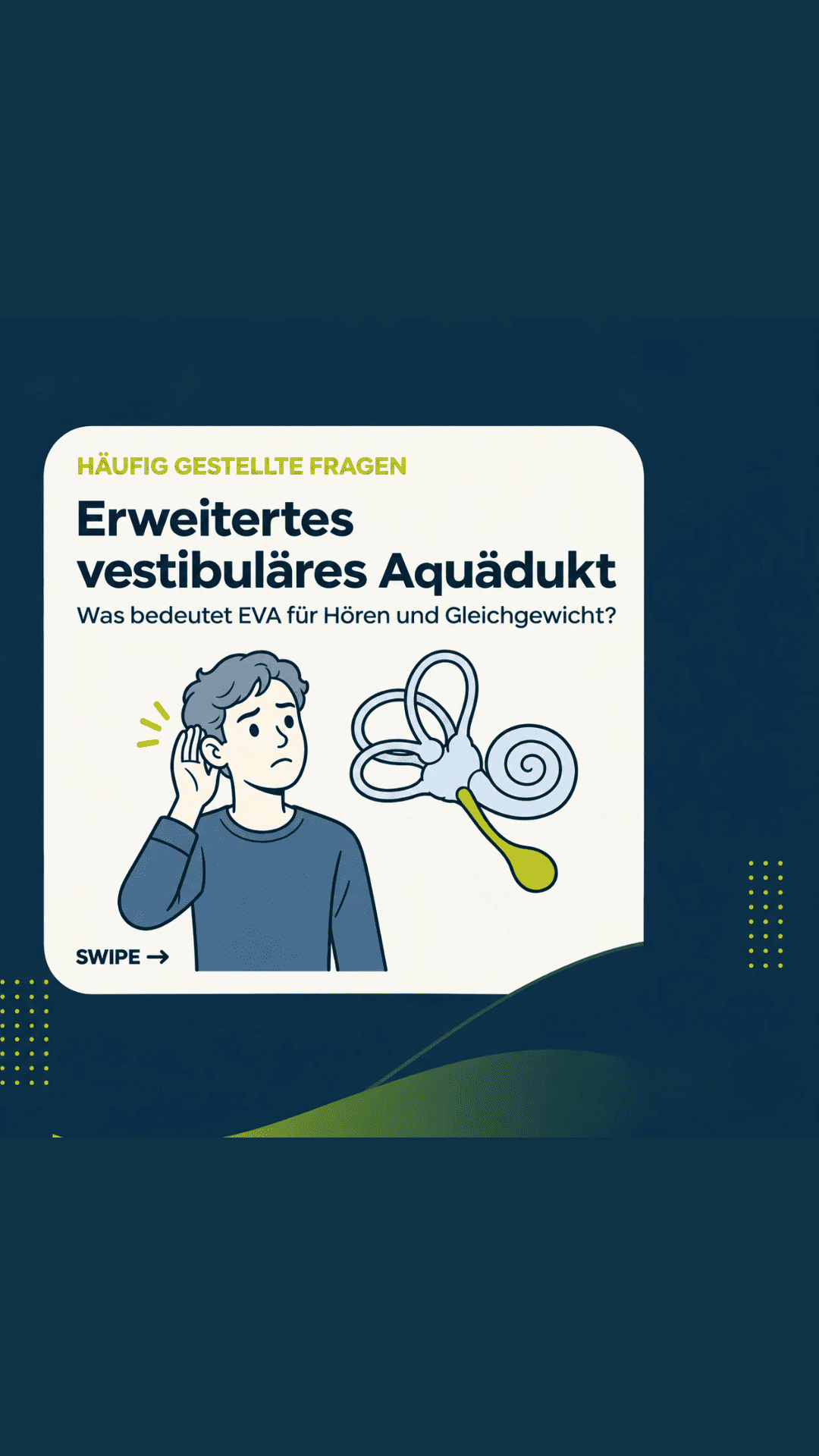
Recurring fainting episodes, sudden hearing impairments, or delays in childhood development? Behind this may lie a so-called Extended Vestibular Aqueduct (EVA) is one of the most common congenital anatomical abnormalities of the inner ear.
The most important facts about EVA:
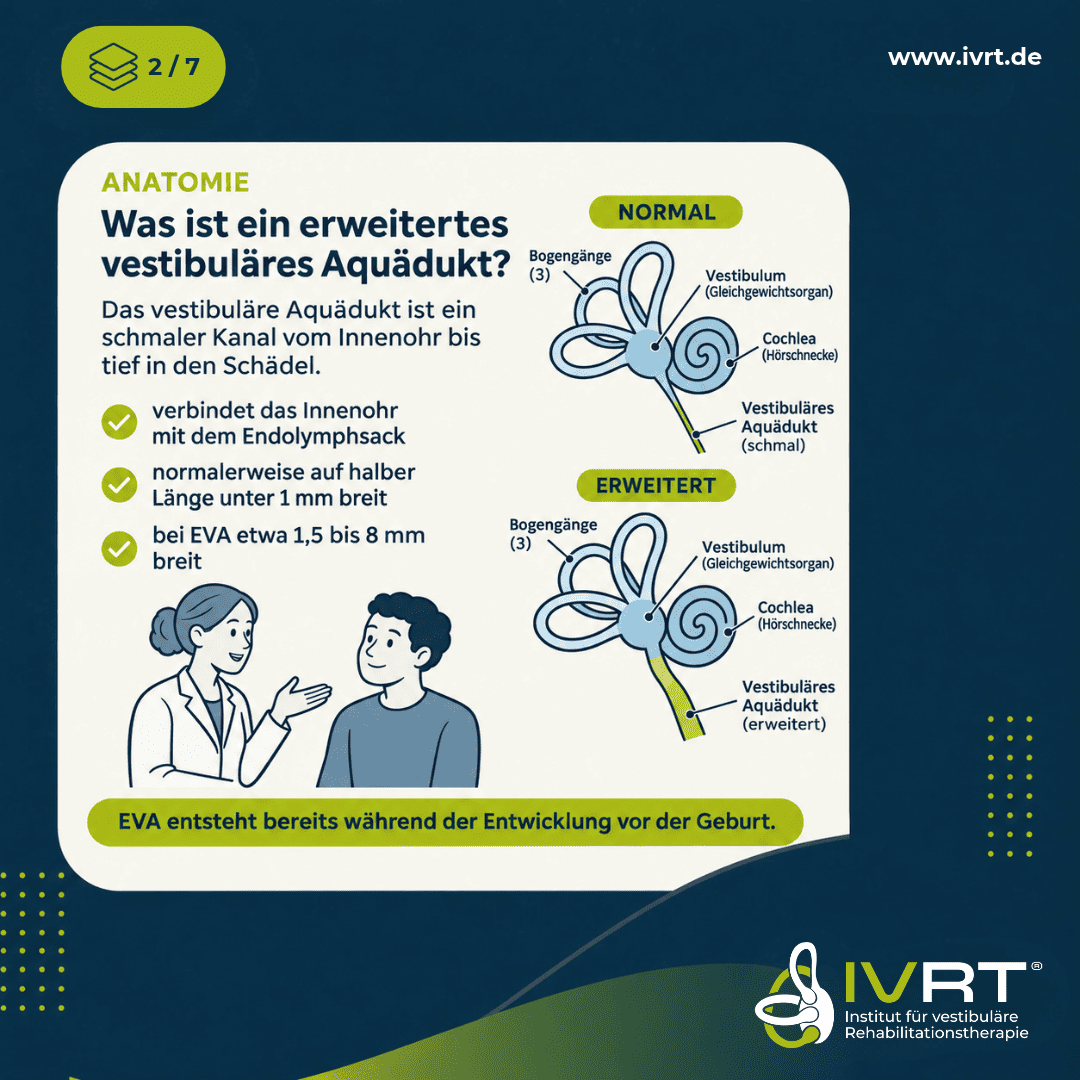
• What is EVA? The vestibular aqueduct is a bony canal that connects the inner ear with the endolymph sac deep in the skull. Normally, it is about 1 mm wide; in an EVA, it reaches a diameter of approximately 1.5–8 mm.
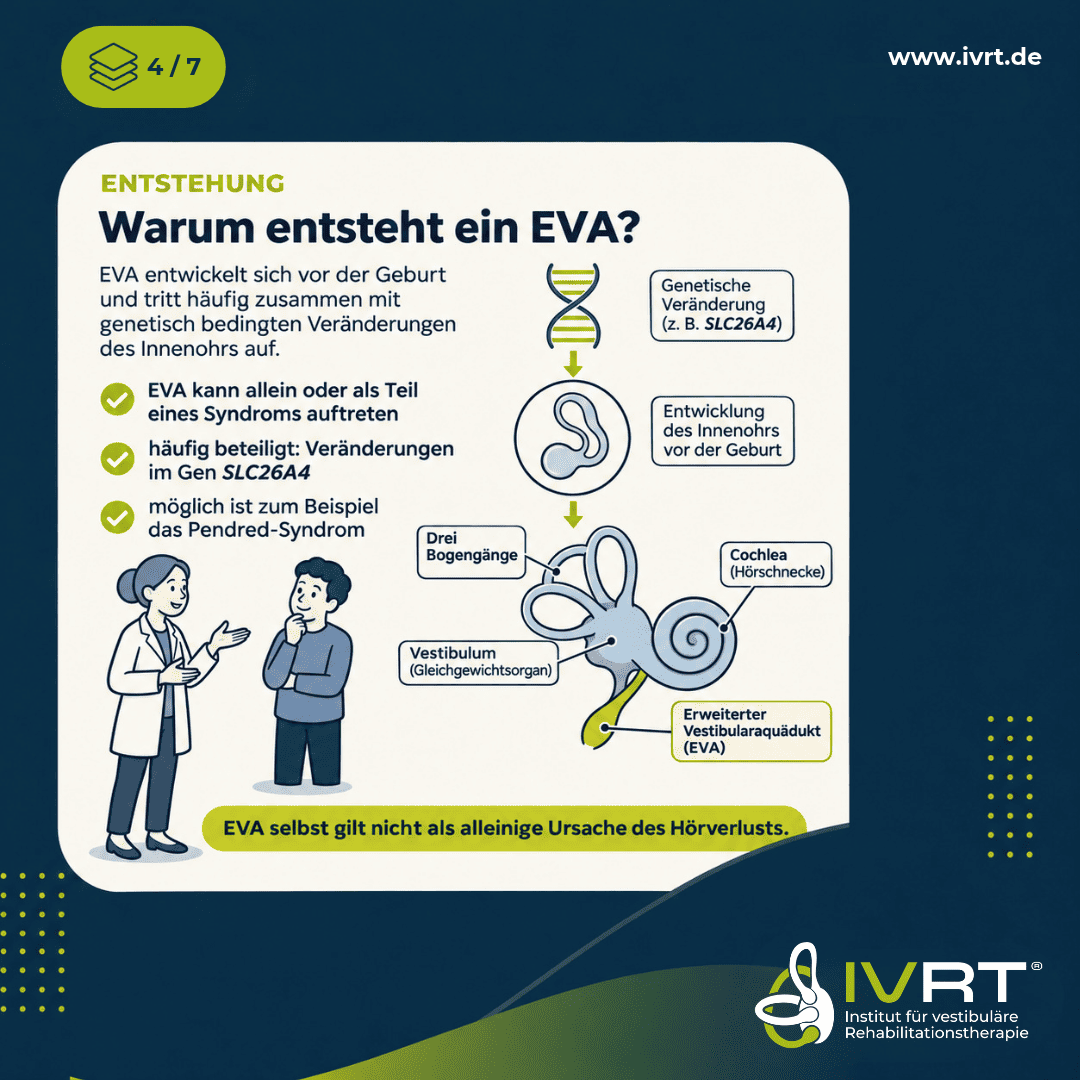
• Cause & Origin: An EVA occurs already during embryonic development before birth. It occurs isolatedly or as part of a syndrome and is often associated with changes in the gene SLC26A4. Important: The EVA itself is not considered the sole cause of hearing loss, but often goes hand in hand with other inner ear changes.
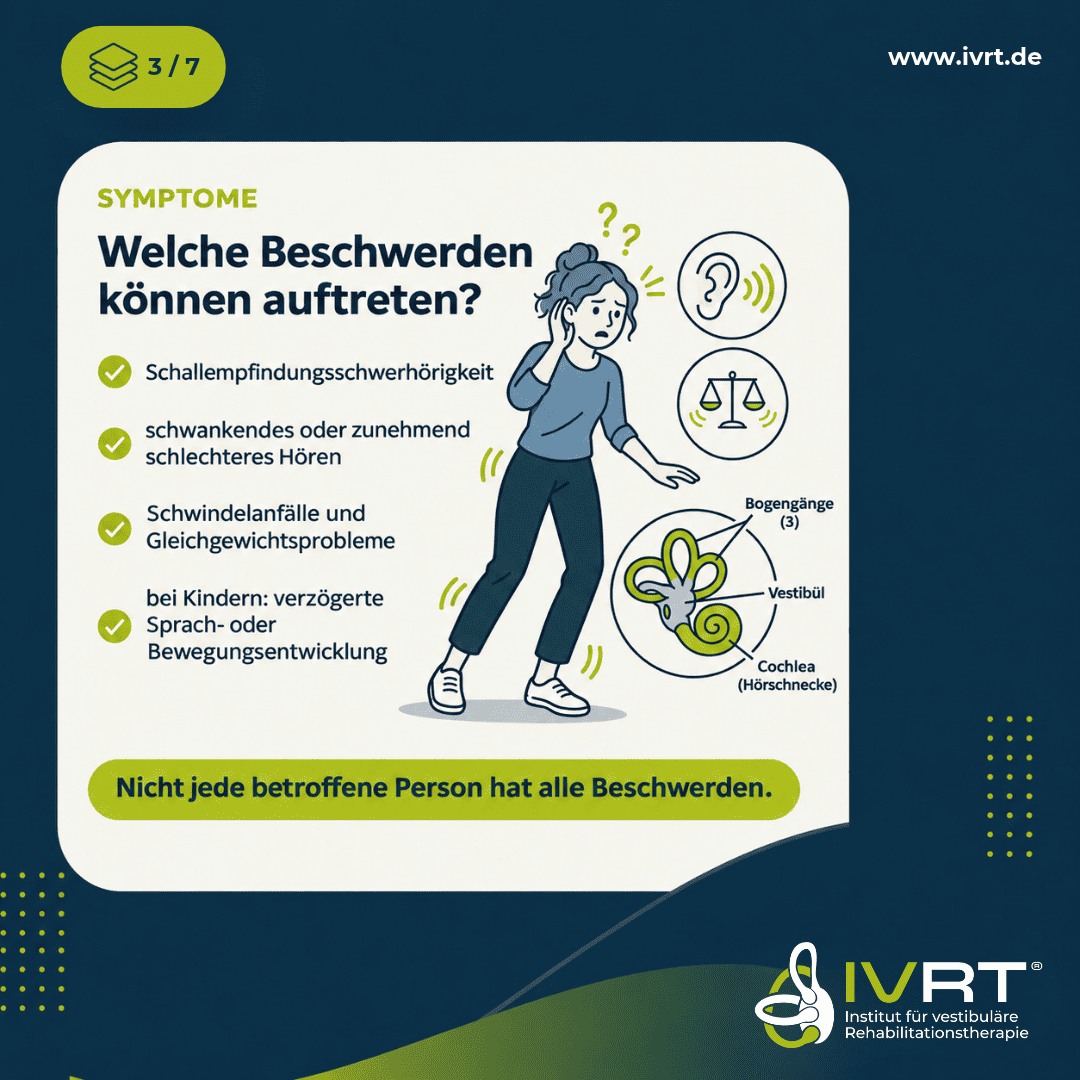
• Typical symptoms: Hearing loss, fluctuating or gradually worsening hearing, and dizziness and balance problems are possible. In children, an EVA often manifests itself through delayed language or motor development. Not every affected person has all the symptoms!
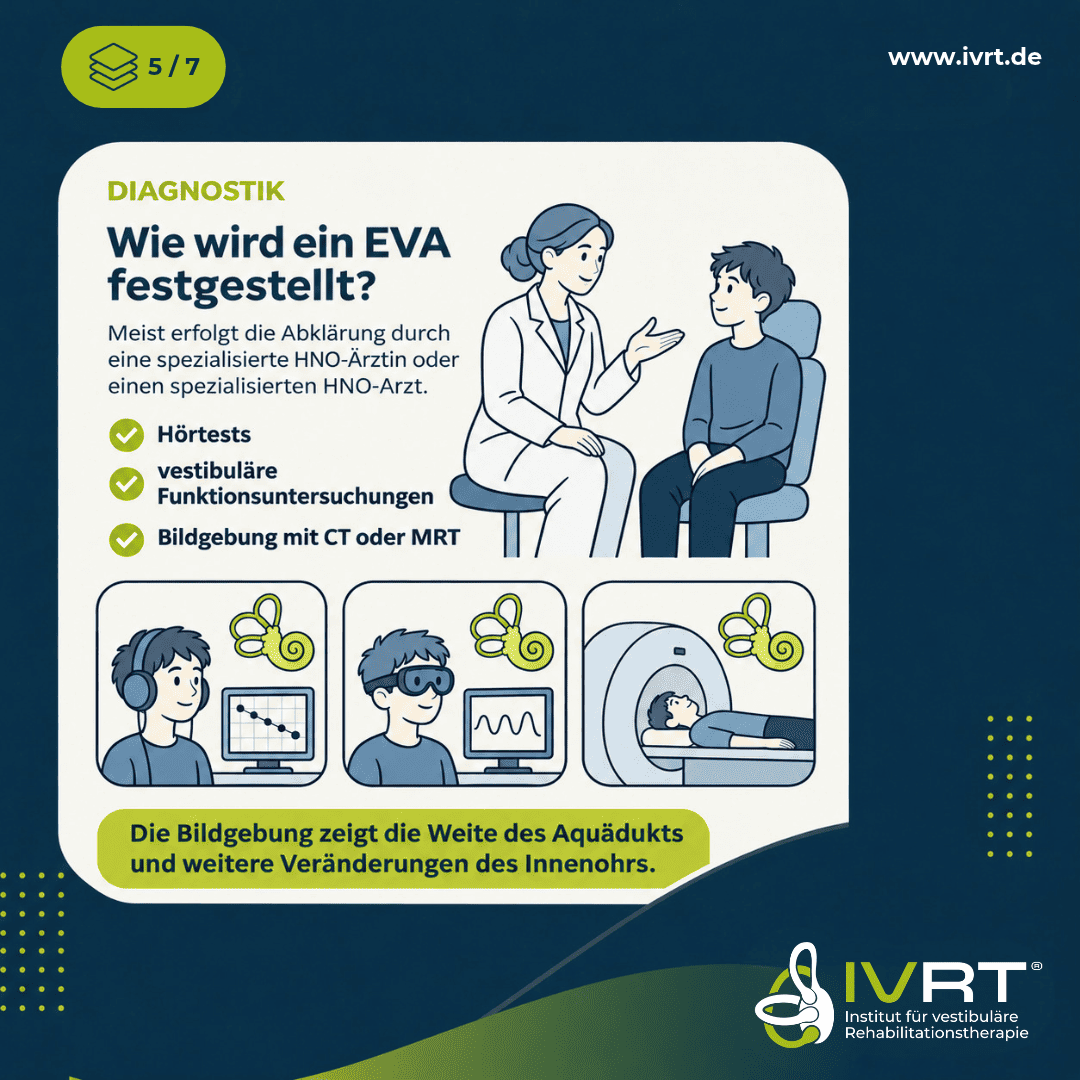
• Diagnostic evaluation: In addition to precise hearing tests and acoustic vestibular function tests, imaging via high-resolution CT or MRI is particularly important for confirming the diagnosis. It makes it possible to visualize the width of the canal and additional structures of the inner ear.
• Protection in everyday life: People with inner ear disorders react extremely sensitively to pressure fluctuations and trauma. Therefore, it is important to: have regular hearing tests, wear a head guard, avoid noise, and be cautious when engaging in activities with pressure changes.
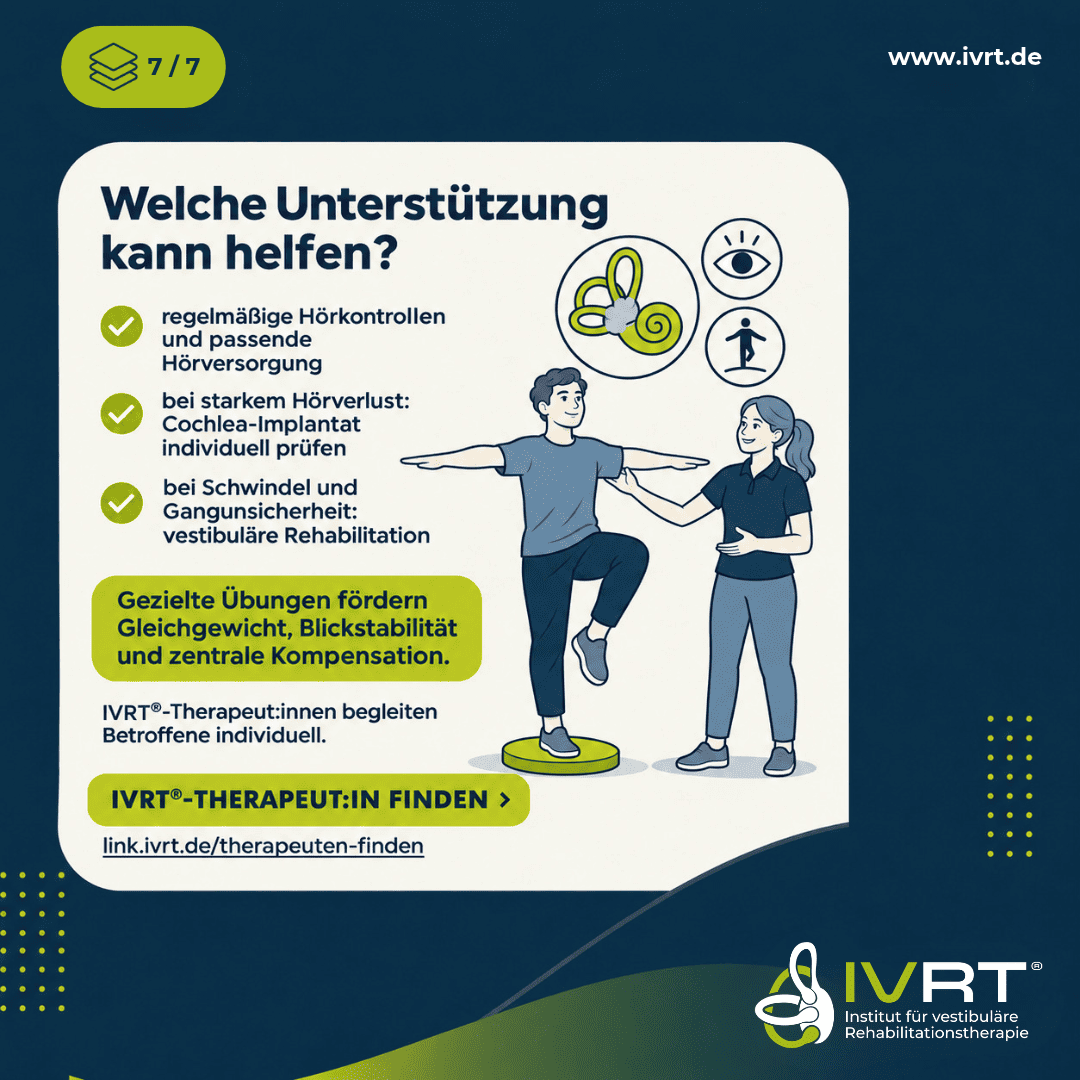
• Targeted support: In addition to optimal hearing aid or cochlear implant care, dizziness and impaired mobility require vestibular rehabilitation therapy Targeted exercises promote visual stability, balance, and central compensation!
👉 Would you like to understand the expanded vestibular aqueduct in detail? Take a look now to our Patient information Go ahead!
📍Are you looking for qualified therapists near you who specialize in dizziness? Use our Therapist search!
 Deutsch
 English
 Nederlands
 Dansk
 Türkçe

